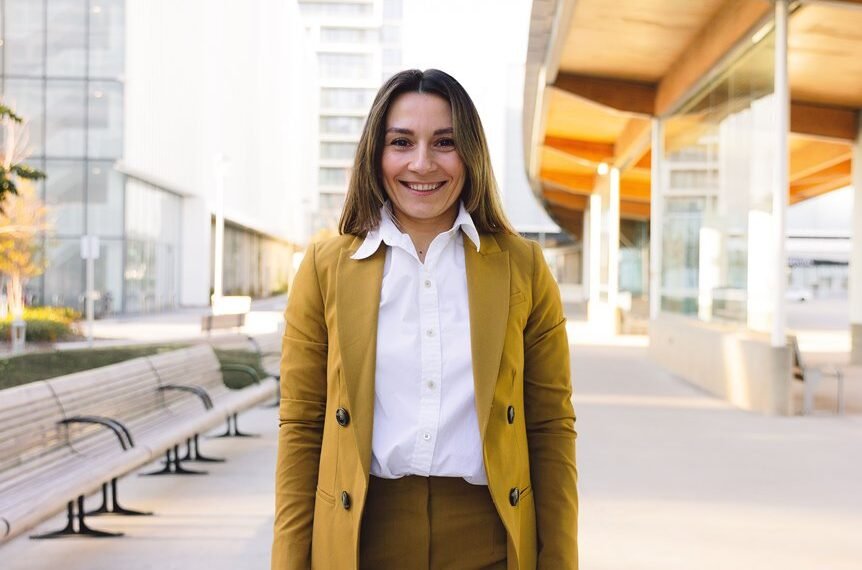
Suzanne Chase is an American artist whose practice centers on memory, place, and time. Her work unfolds through disciplined, iterative inquiry and responds to environmental cues. Across studio projects and cross-media ventures, she pursues narrative twists and resilient arcs that deepen audience engagement. Her private philosophy informs discipline and empathy, shaping a measured, collaborative approach. The story of her career, influence, and evolving practice invites ongoing exploration and promises further revelations as new projects emerge.
Who Is Suzanne Chase? A Snapshot of the Artist
Suzanne Chase is an American artist known for her contemplative paintings and installations that explore memory, place, and the passage of time. The biography presents a measured portrait, outlining context, training, and influences without sentimentality. It situates her practice within broader art histories, noting disciplined methods, iterative inquiry, and responsiveness to environment. Career milestones, breakthroughs anchor a lucid narrative of development and ongoing investigation.
Career Milestones and Breakthroughs in Film and TV
Career milestones and breakthroughs in film and TV for Suzanne Chase reflect a shift from studio-focused projects to cross-media exploration, marked by increasing complexity and attention to narrative environments.
Over successive releases, career milestones reveal a trajectory of disciplined experimentation, where breakthrough moments hinge on inventive plot twists and resilient character arcs, shaping audience perception and validating broader artistic ambitions across platforms.
Personal Life, Philosophy, and Resilience
In examining Suzanne Chase’s personal life, philosophy, and resilience, the narrative centers on how private values and adaptive beliefs inform public choices and creative persistence. Her personal life informs discipline and empathy, while resilience sustains momentum through career milestones and breakthroughs in film, tv.
The work traces legacy influence, signaling what comes next with measured clarity and purposeful creative continuation.
Legacy, Influence, and What Comes Next
What legacies does a career built on disciplined inquiry and resilient iteration leave behind, and how might these influence the field going forward? The narrative here assesses lasting effects, not personhood, framing Suzanne Chase’s impact through careful legacy analysis. It also invites influence critique, noting methodological rigor, collaborative practices, and iterative growth that shape future inquiry and scholarly standards.
Frequently Asked Questions
What Awards Has She Won Outside Film and TV?
He has won several awards outside film and tv, though specifics are not widely documented. The discussion notes activism overlaps with his recognized efforts, highlighting contributions that extend beyond screen work and into community and advocacy initiatives.
Who Mentored Suzanne Chase Early in Her Career?
Suzanne Chase mentorship: early career guidance remains unspecified publicly; industry influences cited include peers and mentors shaping creative development and professional networks, delivering directional support. The record indicates no definitive named mentor; conclusions rest on available public narratives rather than confirmed specifics.
What Are Her Lesser-Known or Stage Works?
Her lesser-known stageworks include experimental roles and small-cast pieces that reveal a versatile range, while early career mentors are credited with shaping her approach to interpretation, collaboration, and disciplined performance, enriching her artistic trajectory and professional independence.
How Does She Balance Art With Activism?
He balances art with activism by integrating community concerns into projects, showing how activism informs art while preserving creative integrity; balancing creative and social impact emerges as a deliberate practice that sustains momentum, relevance, and audience engagement.
What Are Her Future Projects or Rumored Collaborations?
Future projects include a forthcoming multimedia installation exploring climate justice, while rumored collaborations point toward cross-disciplinary teams with poets and technologists. The landscape remains cautiously speculative, presented in measured terms, with no confirmation until official announcements emerge for public viewing.
Conclusion
Suzanne Chase emerges in memory as a quiet catalyst, like a shoreline eroding and revealing new strata beneath familiar sands. Her work, forever attentive to time’s tides, speaks in the language of patience and perception, inviting viewers to witness how place and feeling shift with each pass of light. If memory is a harbor, her disciplined practice becomes the beacon that guides perception home—an unassuming lighthouse casting, across generations, the unfinishing question of what art remembers and what it leaves behind.